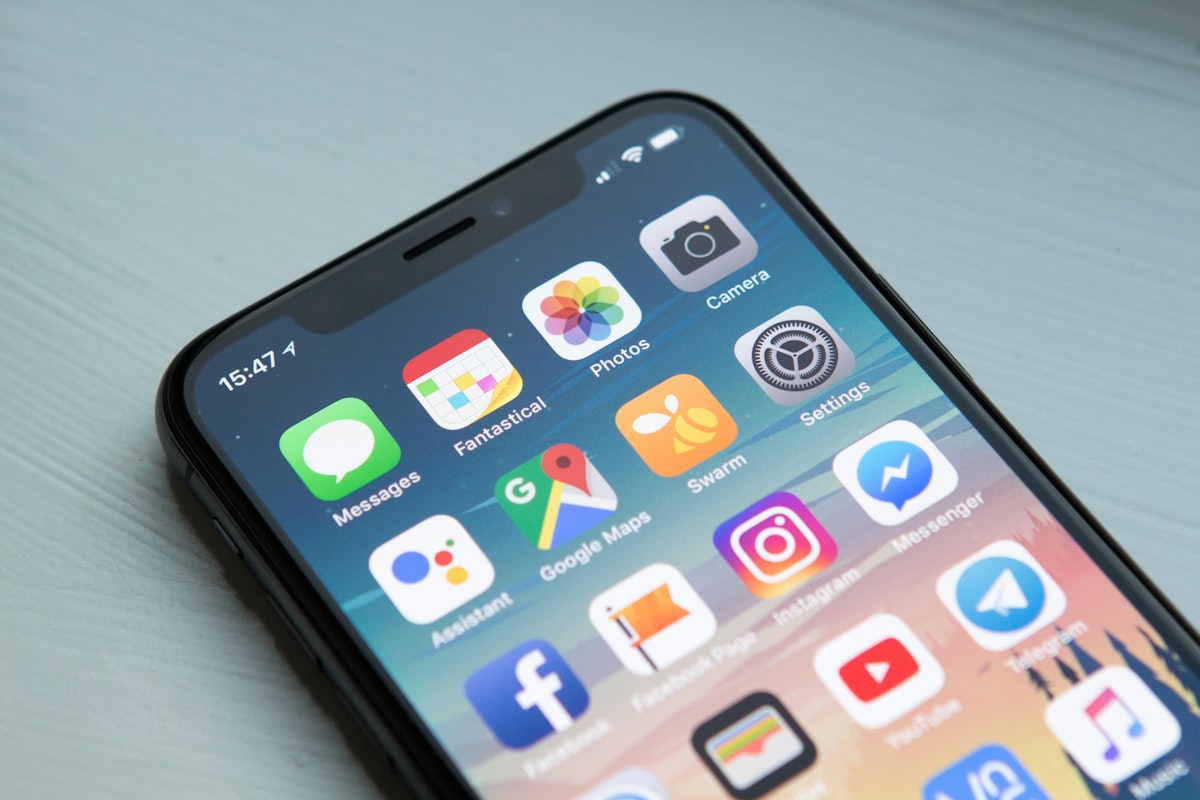
The Mobile Revolution Is Already Here
In 2025, mobile devices account for over 63% of all global web traffic. Yet, a staggering number of businesses still operate websites that were designed primarily for desktop screens — and it's costing them dearly.
Mobile-first design isn't just a trend. It's a fundamental shift in how we think about building digital experiences. Google's mobile-first indexing means your site's mobile version is what determines your search ranking — not the desktop version.
What Does "Mobile-First" Actually Mean?
Mobile-first design means starting the design process from the smallest screen and working upward, rather than designing for desktop and scaling down. This approach forces designers and developers to prioritize:
- Core content — What absolutely must be visible on a 375px screen?
- Touch interactions — Buttons need to be at least 44×44px for comfortable tapping
- Performance — Mobile users are often on slower connections; every kilobyte matters
- Thumb zones — The most important actions should be reachable with one thumb
The Business Impact of Poor Mobile Experience
Google research shows that 53% of mobile users abandon a site that takes longer than 3 seconds to load. For e-commerce, a 1-second delay in page load time can result in a 7% reduction in conversions.
Consider these real-world consequences of a poor mobile experience:
- Higher bounce rates — users leave immediately if the site is hard to navigate
- Lower search rankings — Google penalizes non-mobile-friendly sites
- Lost sales — checkout flows that aren't mobile-optimized see cart abandonment rates above 80%
- Brand damage — a clunky mobile experience signals unprofessionalism
Key Elements of a Great Mobile Website
1. Responsive Layouts
Your layout must fluidly adapt to any screen size — from 320px smartphones to 1440px desktops. CSS Grid and Flexbox make this achievable without JavaScript hacks.
2. Optimized Images
Use modern formats like WebP and AVIF. Implement lazy loading so images below the fold don't block initial page render. Use srcset to serve appropriately sized images for each device.
3. Fast Load Times
Aim for a Largest Contentful Paint (LCP) under 2.5 seconds. Minimize JavaScript bundles, use a CDN, enable browser caching, and compress all assets.
4. Simplified Navigation
Desktop mega-menus don't work on mobile. Use hamburger menus, bottom navigation bars, or progressive disclosure to keep navigation clean and accessible.
5. Mobile-Friendly Forms
Use appropriate input types (tel, email, number) so mobile keyboards show the right layout. Keep forms short — every extra field reduces completion rates by ~10%.
How BR Creators Approaches Mobile-First Development
At BR Creators, every project we build starts with a mobile wireframe. We use a component-driven development approach where each UI element is designed and tested on mobile before being extended to tablet and desktop breakpoints.
Our typical mobile performance targets:
- PageSpeed Insights mobile score: 85+
- First Contentful Paint: under 1.5s
- Time to Interactive: under 3s
- Core Web Vitals: all green
Conclusion
If your website isn't delivering a seamless mobile experience, you're not just leaving money on the table — you're actively pushing customers toward your competitors. Mobile-first isn't a luxury; it's the baseline expectation of every user who visits your site in 2025.
Ready to rebuild your website with a mobile-first approach? Talk to our team — we'd love to help.